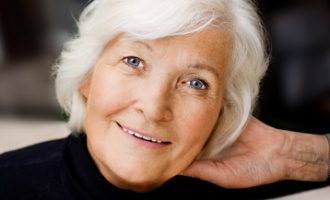
People tend to stick to the same things over time as these usually constitute their comfort zone. The same relates to the way we look. Let us be honest, the right haircut takes 5-10 years off your looks, and still many women stick to the same haircut for decades. In order for your look to correspond to the body and facial changes coming with aging, you have to keep it up to date.
For many, being over 60 means being settled and leading a calm style of life with seldom travels and not a single pinch of craziness. Age impacts our lifestyle to the extent we allow it to. The way person feels about him- or herself at every particular age and how she or he can express it through appearance and looks matters more. Here we will look at the hairstyles for 60 year old woman with fine hair which would help you look younger and feel more free.
Tips On Styling Fine Hair

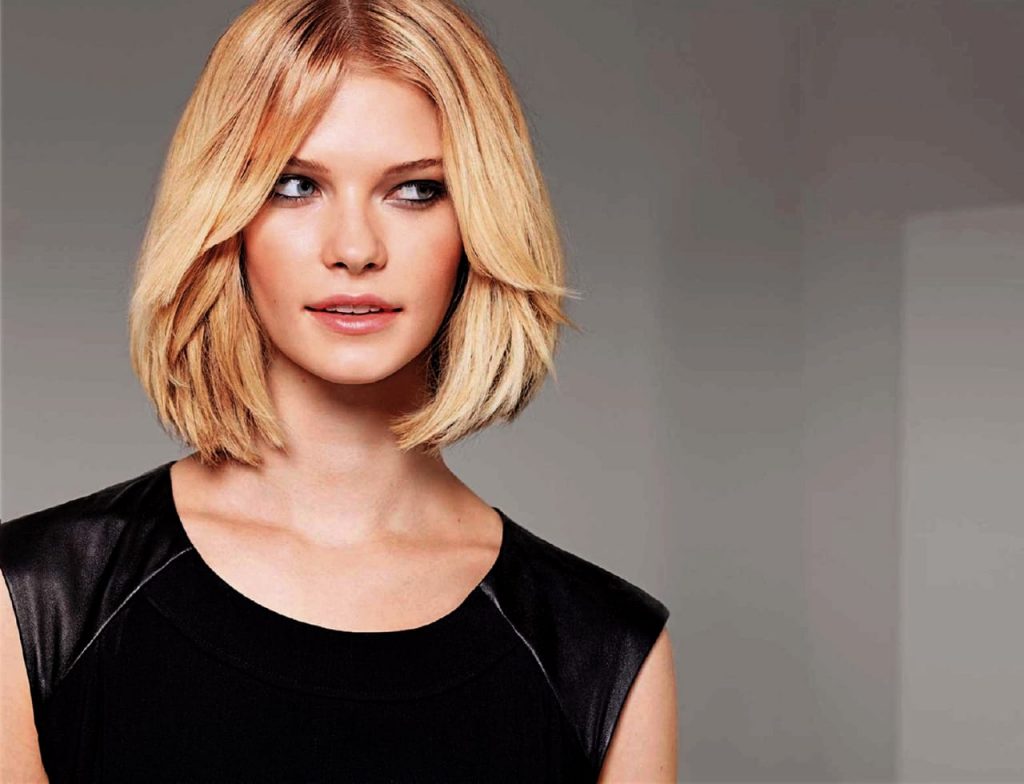
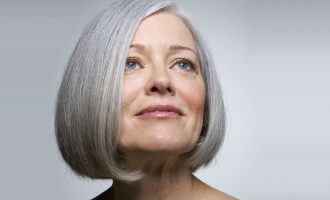
Given the modern fashion tendencies, haircut is to feature a lift around woman’s face and give a feel of movement. These are usually achieved through layers and either trimmed or choppy edges. For women wishing to feel younger and classy, the greatest advice would be to avoid any blunt cut hairstyles and accurate lines. This would protect you from looking older your age and also looking too severe.
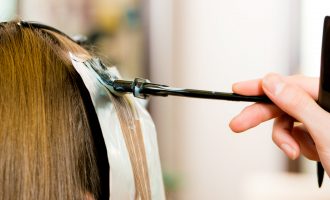
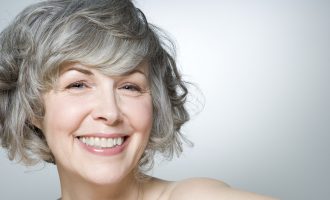
Apart from a haircut, your hair color would definitely require some changes. You may either decide to stay gray or silver embracing that naturality of hair color, or try new and unprecedented hues. In combination with interesting forms and shapes, new hair color will help you reach the desired outcome. Highlights are also an option for those who are perfectly happy with their hair color and require just a pinch of refreshment.
Here is our list of some of the best hairstyles for 60 year old woman with fine hair:
- tapered short cut: a great option for women with fine hair as hair gets voluminous on top and neatly styled closer to the neck. In concert with highlights or hues, this haircut would definitely add a feel of carelessness and elegance at the same time;
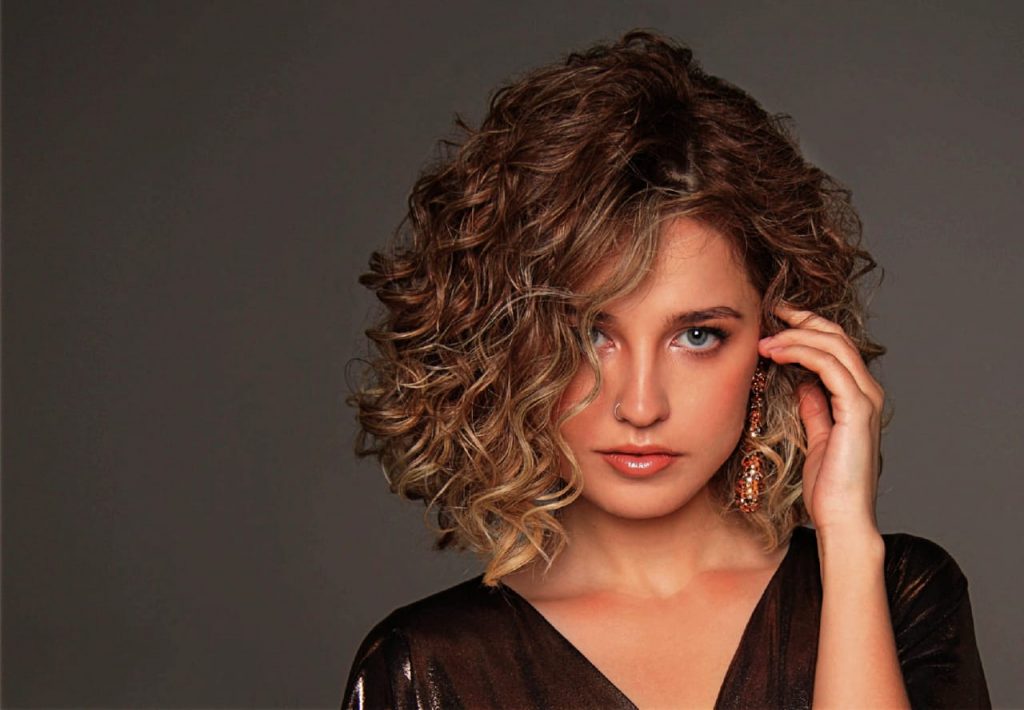
- medium wavy bob: if your hair is naturally wavy and you have had long hair for the larger part of your life, this is just a top pick for you! You are free to experiment and finally feel all the benefits of shorter hair;
- layered haircut: volume and looseness can only be achieved through layers. So if you have opted for a natural look in terms of hair color, you are more than encouraged to try a layered haircut. Length and numbers of layers are up to you. The only thing guaranteed, you will love it!
- tousled pixie: if anything has remained in fashion for more time than pixie, it must be a tousled pixie. You will only need two ingredients for this extra cool look – professional hairdresser and your own hands for styling. Once you have your hair cut, start styling it just the way you like. You may apply products or keep it simple by styling with water.
To wrap things up, to keep aging beautiful and elegant, you should renew a haircut every few years. This would give you wide variety of options and looks which you have not tried yet in your life. Among these may be bobs, pixies and all kinds of layered hairstyles.